
Modular Kitchen Design Ideas for Small Indian Homes
Designing a modular kitchen in a small Indian home requires smart planning and practical choices. This guide shares simple ideas to help you use space efficiently without making the kitchen feel crowded.
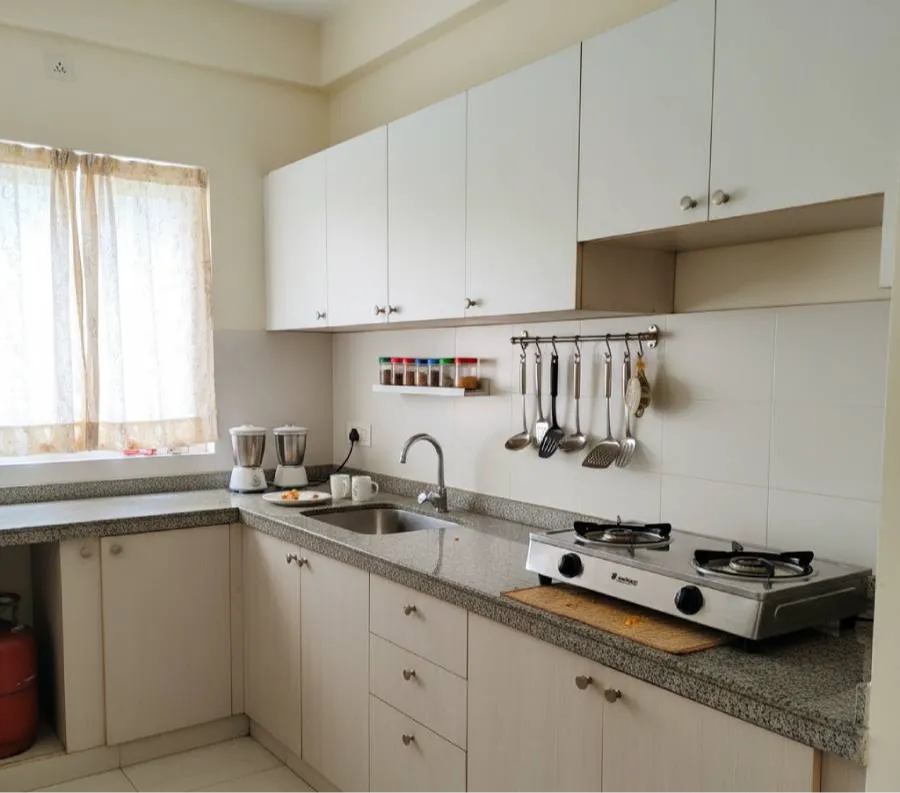
Designing a small kitchen in an Indian home is honestly a bit of a challenge. Not impossible, just… tricky. You’re always trying to fit in more than the space really allows. More storage, more appliances, more working area—without making it feel crowded.
And most of the time, the kitchen ends up either looking good but not practical, or practical but not very pleasant to use.
Somewhere in between is what actually works.
It usually starts with space problems
In smaller homes, the kitchen isn’t a separate big room. It’s often a compact area where everything has to fit into a limited layout. That’s why the design matters more here than in larger kitchens.
You can’t afford to waste space. Every inch needs to be used—but used wisely, not forcefully.
Layout comes first (always)
Before thinking about colors or finishes, the layout needs to make sense.
For most small Indian homes, a few layouts tend to work better:
A straight kitchen works if the space is really tight. Everything stays on one wall, which keeps things simple.
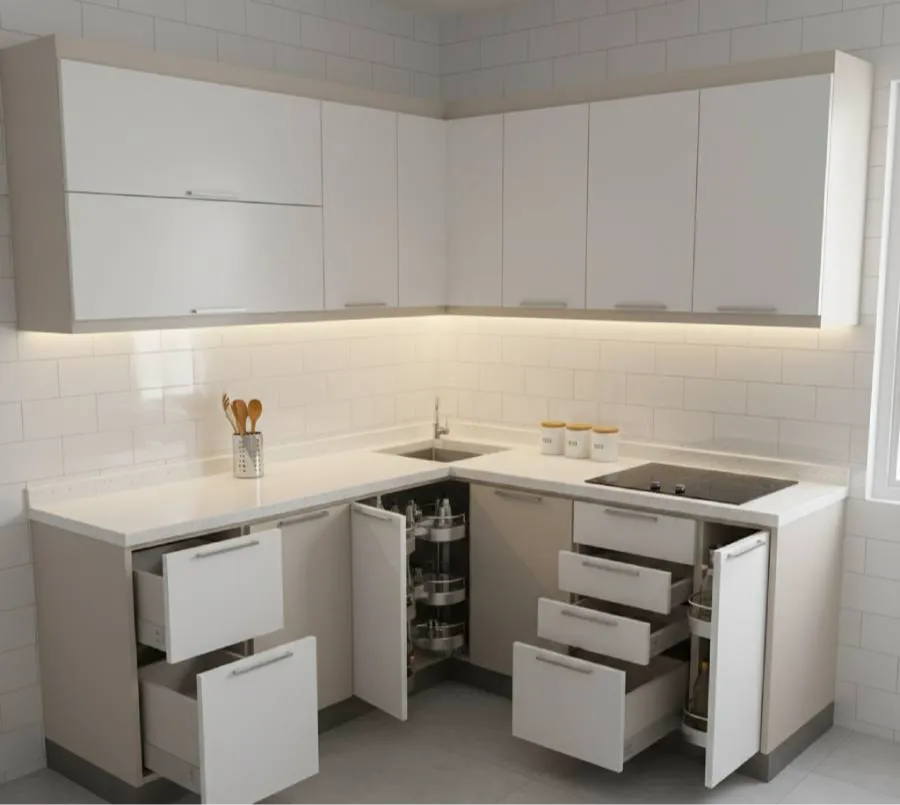
An L-shaped kitchen gives a bit more flexibility. It uses the corner and creates a more natural working area.
Parallel kitchens can work too, but only if there’s enough walking space in between. Otherwise, it starts feeling cramped very quickly.
There’s no “best” layout. It really depends on how much space you have and how you use the kitchen daily.
Storage is where things get interesting
In small kitchens, storage is never enough. No matter how many cabinets you add, it somehow still feels less.
But adding more cabinets isn’t always the solution.
Sometimes it’s about changing how storage works.
Drawers are often more useful than deep shelves. You can actually see and reach things instead of stacking everything on top of each other.
Corners—those awkward spots—can be turned into useful storage if planned properly. Otherwise, they just become dead space again.
And then there’s vertical space. Most people don’t fully use it. Cabinets going all the way up can store things you don’t need every day.
The kitchen should feel open, even if it’s small
This is something people realize a bit late.
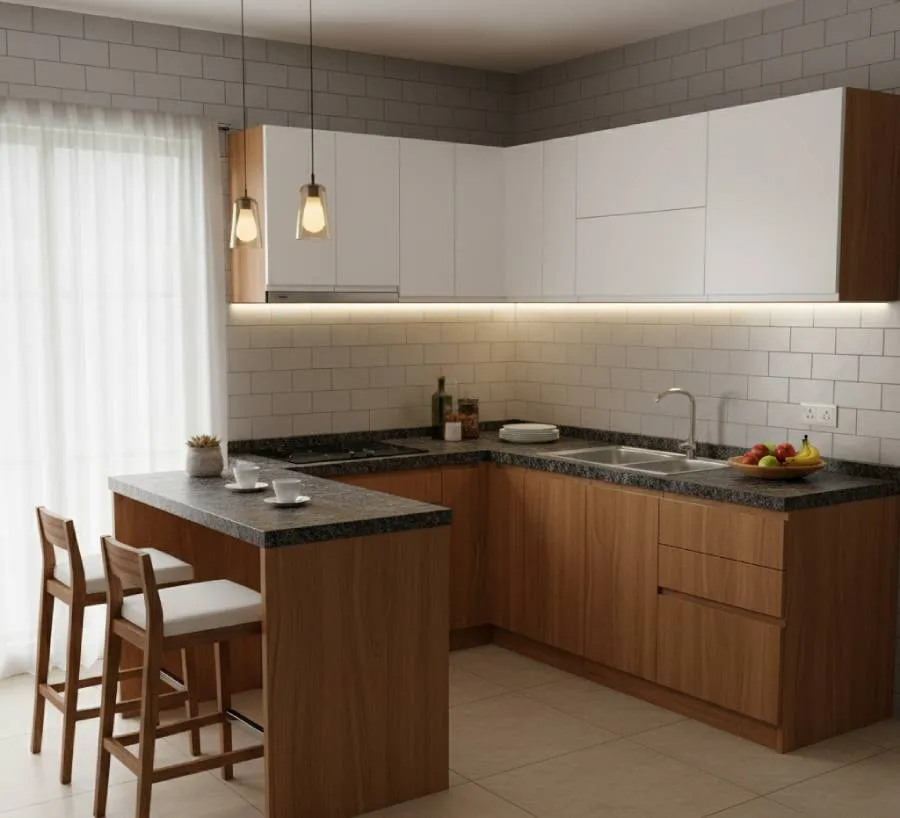
Dark colors, heavy finishes, and too many closed cabinets can make a small kitchen feel even smaller.
Lighter shades tend to work better. Not because they’re trendy, but because they reflect light and make the space feel less tight.
Also, lighting matters more than people expect. One light in the center isn’t enough. You need light where you actually work—near the counter, near the stove.
Counter space disappears faster than you think
At the beginning, it feels like there’s enough.
Then slowly—mixer, jars, utensils, groceries—everything starts occupying the counter. And suddenly, there’s barely any space left to cook.
That’s why planning storage properly helps. The more you can keep off the counter, the better the kitchen feels.
Even a small additional counter, if there’s space, can make a noticeable difference.
Materials don’t need to be complicated
A lot of people get confused here, but honestly, simple choices work well.
Plywood cabinets are commonly used and reliable.
Granite countertops are still one of the safest options for Indian cooking because they handle heat and stains easily.
Laminates are practical. They’re not fancy, but they’re easy to maintain—which matters more in daily use.
You don’t need premium materials to build a good kitchen.
Ventilation is not optional
In small kitchens, this becomes even more important.
Cooking generates heat, smoke, and smell. Without proper ventilation, the kitchen quickly becomes uncomfortable.
A chimney or at least a good exhaust fan is necessary. Skipping this is something many people regret later.
Things people often wish they planned better
This part comes from common experience.
Not enough plug points is a big one. You always end up needing more.
Lighting is another. It’s often either too dim or poorly placed.
Counter space—almost everyone feels they should have planned for a bit more.
And then storage… either too much in the wrong places or not enough where it’s actually needed.
Final thought
A small modular kitchen doesn’t need to look perfect. It just needs to work well for you.
If the layout feels comfortable, storage is easy to use, and you have enough space to actually cook without feeling cramped—that’s already a successful design.
Everything else is just extra.
